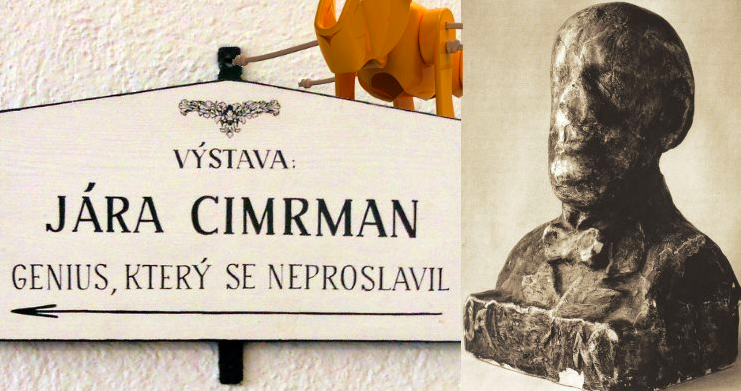
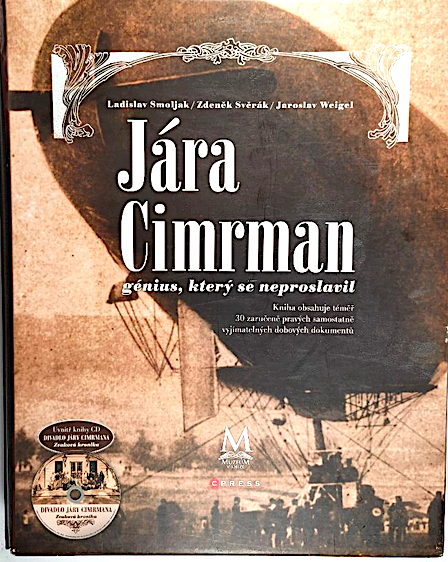

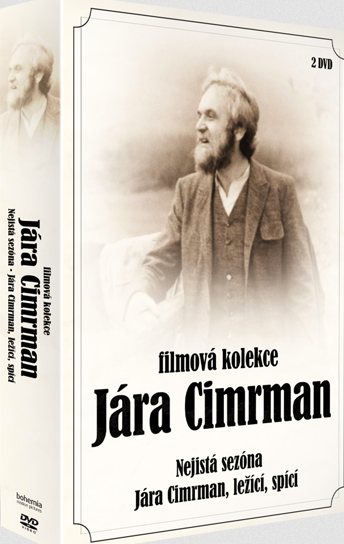
In meiner relativ kurzen Studienzeit in Prag hatte ich auch einige interessante musikalische Auftritte – so z.B. mit der Gondolan-Brothers Band oder auch mit dem Jazzpianisten Jan Hammer, der später mit seiner Musik zu Miami Vice weltberühmt wurde. Es kam damals auch eine kuriose Anfrage bezüglich Musik-Auftritt im Jára Cimrman-Theater – eine skurrile, ironische Show im Monty Python-Dada-Stil. Keine Ahnung, warum daraus nichts wurde, aber mein Interesse an der legendären Figur, die in einer Umfrage zur wichtigsten Persönlichkeit des Landes gewählt wurde, blieb. Die Lust am Nonsens des Universalgenies, der sogar ähnlich wie ich hieß, ließ mich nie mehr los. Wer war Jára Cimrman? Ein Forscher, Philosoph, Erfinder, Dramatiker? In jedem Fall war er einer der Größten seiner Zeit und seiner Nation, soweit ist man sich in Tschechien einig. „Das können wir bestreiten, wir können sogar anderer Meinung sein, aber etwas anderes kann man nicht dagegen tun.“ So lautet ein berühmtes Zitat aus dem Film „Ležící, Spící“ („Liegend, Schlafend“) von 1983, der die Zuschauer durch ein Cimrman-Museum und gleichzeitig durch das Leben dieser dadaistisch geprägten Figur führt. Weitere Zitate gefällig? „Die Zukunft gehört dem Aluminium“, Bier im Bauch ist besser als Wasser in der Lunge” oder „Jedes überflüssige Wort ist überflüssig“. Alles tschechischer Humor auf dem aktuellen politischen Hintergrund, ohne Vorbilder und Analogien?
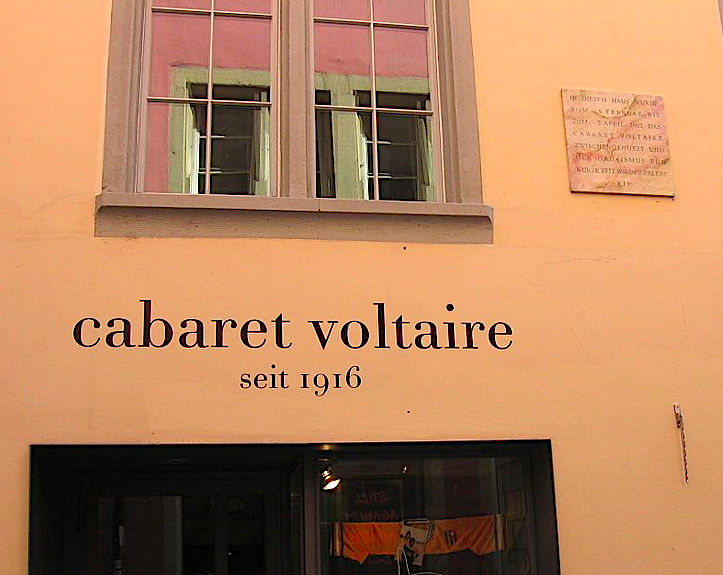
Nach meiner Ankunft in Zürich Jahre später wohnte ich in der Altstadt und im Niederdorf nahe Bodega und mein Weg zur Universität führte zwangsläufig am Cabaret Voltaire vorbei. Dada war damals nicht unbedingt ein relevantes Seminar-Thema und so versuchte ich selber Informationen über die Gruppe rund um Hugo Ball und Emmy Hennings zusammenzutragen und bin dabei auf Walter Serner gestoßen. Walter Serner wurde 1889 in Karlsbad in Tschechien als Walter Eduard Seligmann geboren, studierte in Berlin und ging 1914, um der Verhaftung und Einberufung in die Armee zu entgehen, in die Schweiz nach Zürich, wo er rege Kontakte zu den Dadaisten pflegte und später zwischen Paris, Genf und Prag pendelte und publizierte. Das folgende Zitat aus seinem Dada-Manifest „Letzte Lockerung“ – Untertitel: “Ein Handbrevier für Hochstapler und solche, die es werden wollen“ – könnte auch von Jára Cimrman stammen. “Es ist allgemein bekannt, dass ein Hund keine Hängematte ist.“ Am Ende des Kapitels „Blague“ heißt es: „Ich würde mich freuen zu lesen, dass diese Seiten der letzte Mist sind, der geschrieben wurde. Am 9. April 1919 trug Serner Teile aus „Letzte Lockerung“ auf der Dada-Soiree Non Plus Ultra in Zürich vor. Dabei kam es zu einem Tumult und Serner wurde von der Bühne gejagt. Was kommt mir heute dabei in Sinn? Die aktuelle Neuerscheinung von Werbepapst Jean Remy von Matt, dessen Bruder Dominique mich einst mit seinem Auto zu den Chefs von Wernli-Guetzli (“Wernli het me gernli“) für ein Interview fuhr. Titel des Remy-Bestsellers: “Am Ende: Das erste Buch, das vom Anfang bis Ende immer schlechter wird“. Die Werbung schöpft seit eh und je erfolgreich aus dem Dada-Ironie-Repertoire, ebenso wie die Musik (Helge Schneider): “Katzenklo, Katzenklo, ja, das macht die Katze froh“. Dada ist nicht Gaga, und Jára Cimrman lebt – in Zürich und Prag.
After arriving in Zurich years later, I lived in the Old Town and in the Niederdorf near Bodega, and my way to university inevitably led past the Cabaret Voltaire. Dada wasn’t exactly a relevant seminar topic at the time, so I tried to gather information about the group around Hugo Ball and Emmy Hennings myself, and in doing so, I came across Walter Serner. Walter Serner was born Walter Eduard Seligmann in Karlovy Vary, Czech Republic, in 1889. He studied in Berlin and, in 1914, to avoid arrest and conscription into the army, went to Zurich, Switzerland. There he maintained active contacts with the Dadaists and later commuted and published between Paris, Geneva, and Prague. The following quote from his Dada manifesto “Last Loosen Up”—subtitled “A Handbook for Imposters and Those Who Would Like to Be One”—could also have come from Jára Cimrman. “It is common knowledge that a dog is not a hammock.” At the end of the chapter “Blague,” he states: “I would be pleased to read that these pages are the last piece of rubbish written.” On April 9, 1919, Serner recited excerpts from “Last Loosen Up” at the Dada soiree Non Plus Ultra in Zurich. A commotion ensued, and Serner was chased off the stage. What comes to mind today? The latest release by advertising guru Jean Remy von Matt, whose brother Dominique once drove me in his car to the bosses of Wernli-Guetzli (“Wernli het me gernli”) for an interview. The title of Remy’s bestseller: “At the End: The First Book That Gets Worse and Worse from Beginning to End.” Advertising has always successfully drawn on the Dada repertoire of irony, as has music (Helge Schneider): “Litter box, litter box, yes, that makes the cat happy.” Dada isn’t Gaga, and Jára Cimrman is alive—in Zurich and Prague.